
Hi, I'm George A.. I live in Oregon.
Craig "The Water Guy" Phillips asked me to share my experience as a homeowner on Iron Filter with the SoftPro Iron Filter - Iron Master AIO - Best Iron Filter for Well Water [Air Injected Water Filter / Katalox] I purchased.
This is how my adventures played out. I hope this helps you in your decision.
Did you know that iron contamination affects over 15 million American households with well water systems?
When I first noticed the telltale orange staining in my toilet bowls and the metallic taste in our drinking water, I had no idea I was about to embark on an eight-month journey that would completely transform our household water quality. Living here in Oregon with our own well system, I thought occasional discoloration was just part of rural life. Boy, was I wrong.
The problem started subtly. My wife mentioned that her white laundry was getting dingy faster than usual, and I noticed our coffee tasted increasingly metallic. But it was the progressive orange staining around our fixtures that finally made me realize we had a serious iron problem. After testing our water, I discovered we had 4.2 parts per million (PPM) of iron - well above the EPA's recommended maximum of 0.3 PPM for aesthetic reasons.
The Iron Problem That Was Ruining Our Water Quality
Living in Oregon's Willamette Valley, our well water comes from an aquifer that's naturally rich in dissolved minerals, including ferrous iron. Initially, I didn't understand the difference between ferrous (dissolved) and ferric (oxidized) iron, but I learned quickly that our clear water would turn orange within hours of being exposed to air.
The iron content in our water was causing multiple problems throughout our home. Our dishwasher left orange spots on glassware, the washing machine was gradually staining our clothes, and the metallic taste made drinking water unpalatable. More concerning was the gradual buildup of iron deposits in our plumbing system, which I knew would eventually lead to costly repairs.
Beyond the aesthetic issues, iron bacteria had begun forming slimy biofilms in our toilet tanks. These bacterial colonies feed on iron and create an environment where other harmful bacteria can thrive. **What started as a cosmetic annoyance was becoming a legitimate health concern.**
The financial impact was mounting too. We'd started buying bottled water for drinking and cooking, spending roughly $40 per month. Our appliances were showing signs of premature wear, and I estimated that replacing our dishwasher and washing machine prematurely would cost us over $2,000.
My Research Journey Into Iron Filtration Solutions
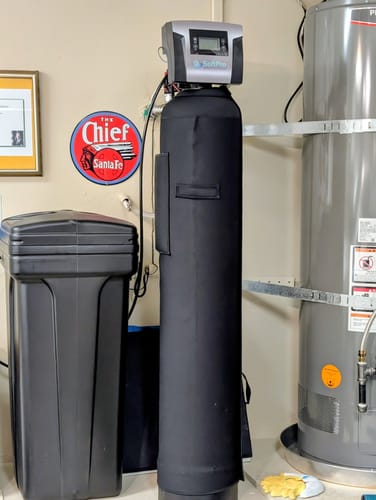
Determined to solve this problem properly, I spent weeks researching iron filtration technologies. I discovered that there are several approaches to iron removal, each with distinct advantages and limitations depending on water chemistry and iron concentration levels.
Water softeners can remove small amounts of ferrous iron, typically up to 3-4 PPM, but our levels were too high. Plus, softeners don't address iron bacteria or the taste issues associated with iron contamination. Sediment filters only catch already-oxidized iron particles but can't handle dissolved ferrous iron.
I learned about oxidation-based systems that convert dissolved ferrous iron into filterable ferric iron particles. The two main technologies I researched were air injection systems and chemical oxidation using chlorine or potassium permanganate. **Which technology would work best for our specific water conditions?**
Air injection systems appealed to me because they don't require ongoing chemical additions. These systems draw air into the water stream, oxidizing dissolved iron so it can be filtered out by specialized media. The Katalox media I kept reading about seemed particularly effective for iron removal while also handling hydrogen sulfide and manganese if present.
After consulting with local water treatment professionals and analyzing our water test results, I determined we needed a dedicated iron filter capable of handling 4 PPM iron levels. The system had to be automatic, require minimal maintenance, and integrate seamlessly with our existing plumbing.
Why I Chose the SoftPro Iron Master System
Several factors led me to select the SoftPro Iron Master after comparing it against competitors. First, the air injection technology meant no ongoing chemical costs - a significant consideration for long-term ownership. The system uses a SoftPro Valve that automatically manages the oxidation and backwashing cycles.
The Katalox Light media inside the Iron Master caught my attention because it's a catalytic material that not only filters oxidized iron but actually accelerates the oxidation process. Unlike traditional green sand or birm media that require potassium permanganate regeneration, Katalox Light is self-regenerating through the air injection process.
Capacity was crucial for our household of four. The Iron Master can handle up to 10 PPM iron, 10 PPM manganese, and 5 PPM hydrogen sulfide - well above our current needs but providing headroom if our water chemistry changed seasonally. **Could this one system solve multiple potential problems?**
The SoftPro Valve's programming flexibility impressed me during my research. It can be set for time-initiated or Air injection filter by SoftPro demand-initiated backwashing based on actual water usage rather than just calendar days. This feature would optimize media life and minimize water waste during https://www.softprowatersystems.com/products/iron-master-iron-filter-for-well-water the cleaning cycles.
Installation requirements seemed manageable for a DIY enthusiast like myself. The system needed 110V power, a drain connection for backwashing, and standard plumbing connections. SoftPro provided detailed installation guides and technical support if needed.
Unboxing and Initial Impressions of the Iron Master

The Iron Master arrived in excellent condition via freight delivery. At 150 pounds, this isn't a lightweight system, but the robust construction was immediately apparent. The fiberglass tank has a 10" diameter and stands about 54" tall - substantial enough to handle our household's water demands.
Inside the packaging, I found the complete system: the media tank pre-loaded with Katalox Light, the SoftPro Valve already mounted, a separate air injection assembly, and all necessary fittings and installation hardware. The inclusion of bypass valves and union connections showed attention to service accessibility.
The SoftPro Valve's digital display was intuitive, showing system status and allowing easy programming adjustments. Build quality felt commercial-grade rather than residential-lite, which aligned with SoftPro's reputation for durable water treatment equipment.
Documentation included detailed installation instructions, system specifications, and maintenance schedules. The warranty terms were clearly outlined - 10 years on the tank, 5 years on the SoftPro Valve, and specific coverage for the Katalox media. **Was the investment protected adequately?**
Installation Experience and Setup Process
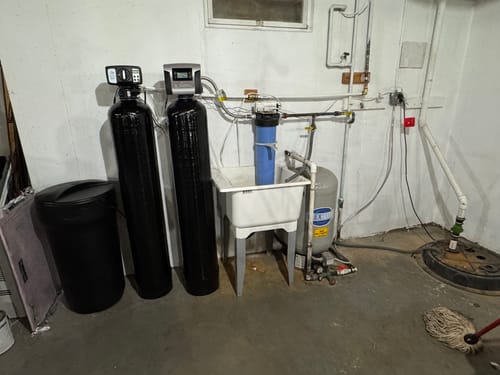
Installing the Iron Master took me a full Saturday, working methodically to ensure proper setup. The most challenging aspect was determining the optimal location that provided adequate space for service access while maintaining proper drainage for backwash cycles.
I installed the system after our pressure tank but before any other treatment equipment. The air injection assembly required careful positioning to ensure proper air-to-water ratios. Following SoftPro's specifications, I maintained 12 inches of clearance around the tank for service access.
Plumbing connections used standard 1" NPT fittings. The bypass valve installation was straightforward, allowing system isolation for maintenance without disrupting household water service. I particularly appreciated the union fittings that permit easy valve removal if ever necessary.
The SoftPro Valve programming required inputting our specific water conditions and usage patterns. I set the system for demand-initiated backwashing after 1,200 gallons of treated water, based on our typical daily consumption of 180-200 gallons. The air injection cycle was programmed to operate for 2 minutes every 6 hours.
Initial startup involved purging air from the system and running the first backwash cycle. **Would the system perform as expected right out of the gate?**
The first few days required minor adjustments to optimize performance. I fine-tuned the air injection timing based on observed iron removal efficiency and adjusted the backwash frequency based on actual pressure drop across the system.
Performance Results After 8 Months of Operation
Eight months into ownership, the Iron Master has exceeded my expectations for iron removal performance. Post-filtration testing consistently shows iron levels below 0.1 PPM - a dramatic improvement from our original 4.2 PPM. The metallic taste disappeared within the first week of operation.
Visual improvements were immediate and sustained. Orange staining stopped appearing on fixtures, and existing stains gradually faded as iron deposits were removed from our plumbing system. Our dishwasher now produces spot-free glassware, and laundry emerges without the dingy discoloration we'd grown accustomed to.
The Katalox media has maintained consistent performance without requiring regeneration chemicals. Backwash cycles occur automatically every 3-4 days based on our water usage, consuming approximately 150 gallons per cycle. **Is this water usage acceptable for the benefits gained?**
Pressure drop across the system has remained minimal - typically 2-3 PSI even as the backwash cycle approaches. This indicates the Katalox media isn't clogging or fouling, which was a concern I had based on experiences with other iron filter media types.
Seasonal variations in our well water iron content haven't challenged the system. During spring runoff periods when iron levels increase slightly, the Iron Master continues producing excellent results without requiring programming adjustments or increased maintenance.
Flow rate performance has been outstanding. Even during peak demand periods - simultaneous showers and appliance operation - we haven't experienced pressure issues or reduced flow rates. The system's 12 GPM service flow rating proves adequate for our four-person household.
Daily Living Impact and Household Benefits
The transformation in our daily water experience has been remarkable. Coffee and tea taste significantly better, encouraging us to return to home brewing rather than purchasing bottled beverages. Cooking with our well water no longer imparts metallic flavors to soups and pasta.
My wife particularly appreciates the laundry improvements. White clothing stays bright, and colors remain vibrant without the gradual dulling we previously experienced. We've eliminated the need for iron-fighting laundry additives, saving approximately $15 monthly on specialized detergents.
Bathroom cleaning has become much easier. **Remember those stubborn orange stains that required aggressive scrubbing?**
They've disappeared, and weekly cleaning now involves simple wiping rather than intensive scrubbing with harsh chemicals. Our fixtures look new again.
The dishwasher performs like it did when first installed. Glassware emerges crystal clear, and we no longer need rinse aids or spot-prevention products. The improvement in appliance performance convinced me that the Iron Master will extend the life of our water-using appliances significantly.
Guests consistently comment on our water quality now. Several neighbors have asked about our water treatment after noticing the difference. It's satisfying to offer guests ice water without embarrassment about taste or appearance.
The elimination of bottled water purchases has simplified grocery shopping and reduced plastic waste. We estimate saving $40-50 monthly on bottled water while improving our environmental footprint.
Operational Costs, Maintenance, and Long-Term Value
Operational costs have proven lower than anticipated. The system's electricity consumption is minimal - the SoftPro Valve and air pump draw less than 50 watts during operation cycles. Monthly electrical costs are negligible, typically under $3.
Maintenance requirements are straightforward and infrequent. The Katalox media doesn't require replacement chemicals or regenerants. I inspect the air injection assembly quarterly and clean the air intake annually. **What about more extensive maintenance needs?**
The only consumable component is the air pump, which SoftPro recommends replacing every 2-3 years. At approximately $80, this represents the primary ongoing maintenance cost beyond electricity and periodic system sanitization.
Water consumption during backwash cycles averages 450-600 gallons monthly, depending on usage patterns. While this might concern some well owners, our well capacity easily handles this additional demand, and the water quality benefits far outweigh the consumption.
Comparing total costs to our previous bottled water expenses and projected appliance replacement costs, the Iron Master pays for itself within 24-30 months. The 10-year tank warranty and 5-year valve warranty provide confidence in long-term value.
I've calculated approximate annual operating costs at $85-100, including electricity, periodic maintenance, and backwash water. This compares favorably to ongoing chemical costs required by other iron filtration technologies.
The system's impact on appliance longevity is already apparent. Our water heater operates more efficiently without iron buildup, and appliance maintenance requirements have decreased noticeably. These hidden savings contribute significantly to overall value.