
Hi, I'm Kenneth M.. I live in San Antonio. Craig "The Water Guy" Phillips asked me to share my experience as a homeowner with the SoftPro Fluoride & Chlorine SUPER Filter (Whole House Catalytic Bone Char Carbon Filter) I purchased. This is how my adventures played out. I hope this helps you in your decision.
Did you know that identifying a legitimate water filter can be trickier than you'd expect?
When my SoftPro whole house filter arrived, I faced an unexpected challenge that had me questioning whether I'd received the right product. The filter came with absolutely no identification labels, manufacturer markings, or model numbers visible anywhere on the unit. As someone who values transparency and wants confidence in major household investments, this lack of identification immediately raised red flags.
After spending considerable money on what I believed was a quality fluoride and chlorine removal system, I found myself staring at an anonymous-looking filter that could have been manufactured by anyone. The absence of basic product identification forced me into detective work I hadn't anticipated, ultimately requiring direct contact with the manufacturer to verify I'd received the correct bone char carbon filter designed for fluoride removal.
The Identification Mystery That Started Everything
When I unboxed my SoftPro filter system, my first reaction was confusion rather than excitement. Here was this substantial piece of equipment - clearly well-constructed and appearing legitimate - but it looked like it had rolled off an unmarked assembly line. No SoftPro branding, no model numbers, no phone numbers for support, nothing that would give me confidence I was dealing with a reputable manufacturer.
This lack of identification became more concerning when I realized I needed to verify the filter media. Since I specifically ordered the bone char version for fluoride removal, distinguishing it from a standard carbon filter was crucial. Without any markings, I had no way to confirm what type of filtration media was actually inside the housing.
The situation forced me to become a water treatment detective. I had to call Canagra, who I discovered was somehow connected to the manufacturing process, to get verification that I had indeed received a genuine SoftPro filter with bone char media. This extra step shouldn't have been necessary, and it highlighted a significant branding and SoftPro Fluoride Filtration identification issue that could shake buyer confidence.
Why does product identification matter so much for water filtration systems?
Water treatment is serious business. When you're investing in a system designed to remove specific contaminants like fluoride, chlorine, and other chemicals from your family's drinking water, you need absolute confidence in what you're installing. The lack of clear identification made me question the entire purchasing decision.
Installation Reality Check - What They Don't Tell You
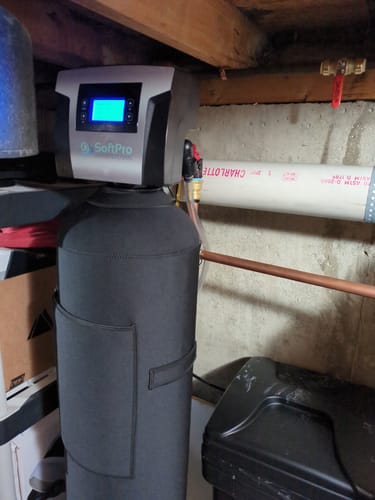
The installation process revealed another surprise that caught both me and my plumber off-guard. While the SoftPro documentation mentioned carbon media, it severely understated the amount of loose carbon that would flush out during initial startup. This oversight led to a cascade of problems that required an additional plumber visit and some creative problem-solving.
During the first few hours of operation, the filter released significantly more loose carbon particles than anticipated. These particles traveled through our entire plumbing system, eventually clogging faucet aerators throughout the house. What started as a simple filter installation became a whole-house plumbing maintenance project.
My initial plumber wasn't prepared for this carbon release phenomenon. However, when I called for a return visit, the second plumber demonstrated superior experience and knowledge. He immediately opened the bathtub faucets wide to flush the carbon particles through the unrestricted flow. This technique made perfect sense - bathtub faucets don't have aerators or filters that can clog, making them ideal for purging loose particles from the system.
Could this carbon release issue have been prevented with better documentation?
Absolutely. The installation booklet that came with the system lacked the detailed preparation information that would have saved time, money, and frustration. A simple warning about expected carbon particle release and recommended flushing procedures would have prevented the clogged aerators and additional service calls.
Performance Analysis - Does It Actually Work?
Despite the identification and installation challenges, the SoftPro filter has delivered the water quality improvements I was seeking. After several months of operation, I can measure and taste the difference in our water supply. The catalytic carbon effectively addresses chlorine taste and odor, while the bone char component tackles fluoride reduction as advertised.
The most noticeable change appeared in our drinking water within the first week. The sharp chlorine taste that characterized our municipal water supply disappeared almost completely. Coffee and tea preparation improved dramatically, with more natural flavors emerging that had previously been masked by chemical tastes.
From a technical standpoint, the upflow design seems to provide thorough contact time between water and the filtration media. The system maintains consistent water pressure throughout the house, which was a major concern during the selection process. Even during peak usage periods - simultaneous showers, dishwasher operation, and laundry - we haven't experienced significant pressure drops.
How do you measure fluoride removal effectiveness?
Testing fluoride levels requires specialized test kits or laboratory analysis, which adds ongoing cost to system ownership. While I can taste the chlorine reduction immediately, fluoride removal verification requires more investment in testing equipment or professional water analysis services.
Quality Assessment - Construction and Materials

Setting aside the identification concerns, the physical construction of the SoftPro filter demonstrates solid engineering and quality materials. The housing appears robust enough to handle residential water pressure and flow demands over an extended lifespan. The internal components, once I verified their authenticity, meet the specifications I expected from a bone char carbon system.
The filtration media quality becomes apparent through performance rather than visual inspection. The catalytic carbon maintains its effectiveness even after months of continuous operation, suggesting proper activation and quality sourcing. The bone char component, designed specifically for fluoride adsorption, appears to be genuine based on the water quality improvements we've experienced.
Manufacturing quality shows in the details - proper threading on connections, appropriate gasket materials, and housing construction that doesn't show stress or wear after installation. While the lack of identification remains concerning, the actual product quality suggests legitimate manufacturing processes and materials.
Does construction quality justify the investment despite identification issues?
The physical quality is definitely there, but the identification problem creates unnecessary doubt about what you're actually purchasing. A product this expensive should arrive with clear branding and model identification that builds rather than undermines buyer confidence.
Cost Analysis - Investment vs. Results
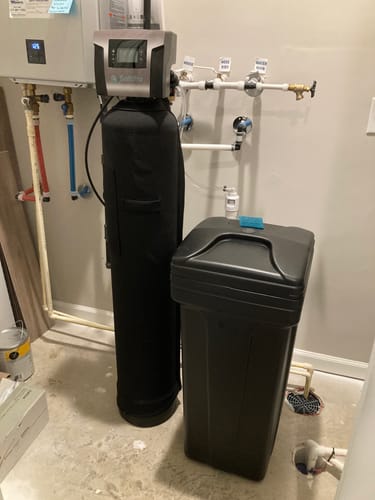
The pricing for the SoftPro system falls into the competitive range for whole house fluoride and chlorine removal systems. While not the cheapest option available, the bone char media commands a premium due to its specific fluoride reduction capabilities. The question becomes whether the performance justifies the investment when weighed against the identification and documentation shortcomings.
Operating costs remain reasonable compared to alternatives like bottled water or point-of-use systems. The filter media has an estimated lifespan that makes the cost-per-gallon calculation favorable for our household water consumption. Maintenance requirements appear minimal based on the manufacturer specifications and our experience to date.
The hidden costs emerged during installation - the additional plumber visit and time spent verifying product authenticity added unexpected expenses. Better documentation and clear product identification could have eliminated these additional costs entirely.
Are there more cost-effective alternatives for fluoride removal?
Point-of-use reverse osmosis systems cost less initially but only treat water at specific taps. Whole house solutions provide comprehensive treatment but require higher upfront investment. The SoftPro system falls in the middle range for whole house fluoride removal options.
Maintenance Experience and Long-Term Ownership
Several months into ownership, the maintenance requirements have proven manageable but not always intuitive. The system operates largely autonomously, but monitoring filter performance requires attention to subtle changes in water taste and flow characteristics. Without clear indicators or monitoring systems, determining optimal replacement timing requires guesswork.
The upflow design minimizes channeling issues common in standard carbon filters, extending media life and maintaining consistent performance. However, the lack of detailed maintenance documentation means relying on general guidelines rather than product-specific recommendations.
Filter media replacement will be the primary ongoing maintenance requirement. The bone char component should last longer than standard carbon for fluoride removal applications, but determining exact replacement intervals requires either water testing or performance monitoring over time.
How do you know when filter media needs replacement?
Performance monitoring becomes crucial since there are no built-in indicators. Taste changes, flow reduction, or professional water testing provide the best guidance for replacement timing, but this requires active attention from the homeowner.
Who Should Consider This System?
The SoftPro Fluoride & Chlorine SUPER Filter suits households specifically concerned about fluoride removal from their entire water supply. If you're dealing with municipal water that contains both chlorine and fluoride, and you want comprehensive whole house treatment, this system addresses both concerns effectively.
Homeowners comfortable with some installation complexity and willing to work through documentation gaps will find the system performs as advertised. However, those seeking plug-and-play simplicity or extensive manufacturer support might prefer alternatives with better documentation and clearer identification.
The system works best for households with consistent water quality issues rather than intermittent problems. The investment makes sense when you're committed to long-term water quality improvement rather than short-term solutions.
What household situations benefit most from whole house fluoride removal?
Families with young children, individuals with fluoride sensitivities, or households committed to minimizing chemical exposure throughout their water supply find the most value in comprehensive whole house treatment systems.
Final Verdict - Quality Product with Communication Problems
After months of real-world use, the SoftPro Fluoride & Chlorine SUPER Filter delivers the water quality improvements I purchased it to provide. The bone char media effectively reduces fluoride levels, while the catalytic carbon handles chlorine taste and odor removal. The system maintains good flow rates and appears built for long-term reliability.
However, the identification issues and inadequate documentation create unnecessary obstacles that detract from an otherwise solid product. The lack of clear branding, model numbers, and comprehensive installation guidance adds frustration and potential costs that shouldn't be part of the ownership experience.
Would I purchase this system again knowing what I know now?
The performance justifies the investment, but I'd strongly prefer the manufacturer address the identification and documentation issues. The product quality is there - the communication and support materials need improvement to match.
For homeowners specifically seeking whole house fluoride and chlorine removal, this system performs effectively despite its documentation shortcomings. Just be prepared for some detective work during installation and plan for potential additional professional assistance to navigate the carbon flushing process properly.
The water quality improvements make the investment worthwhile, but the purchasing and installation experience could be significantly improved with better manufacturer communication and support materials.